
"endangered coffee regions"
200 article(s) found
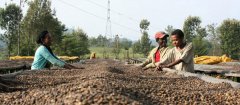
Flavor, characteristics, taste and manor introduction of naturally fermented Ethiopian coffee
Ethiopia has unique natural conditions suitable for growing all imaginable varieties of coffee. As a upland crop, Ethiopian coffee beans are mainly grown in areas between 1100 and 2300 meters above sea level, roughly distributed in southern Ethiopia. Deep soil, well drained soil, weakly acidic soil, laterite and soil are soft and contain

A brief introduction to the Origin, Development, History and Culture of aromatic High-quality Ethiopian Coffee beans
It is usually a teenage girl who prepares coffee for everyone at home. She first grabbed a handful of light green raw coffee beans, put them in a small iron pot on the charcoal stove, scooped up clean water, and scrubbed them with both hands. Then roast the coffee beans with a small wooden shovel, and soon the coffee beans begin to turn dark black and emit an attractive fragrance. When the girl thought it was time for the fire, she picked up the iron pot handle
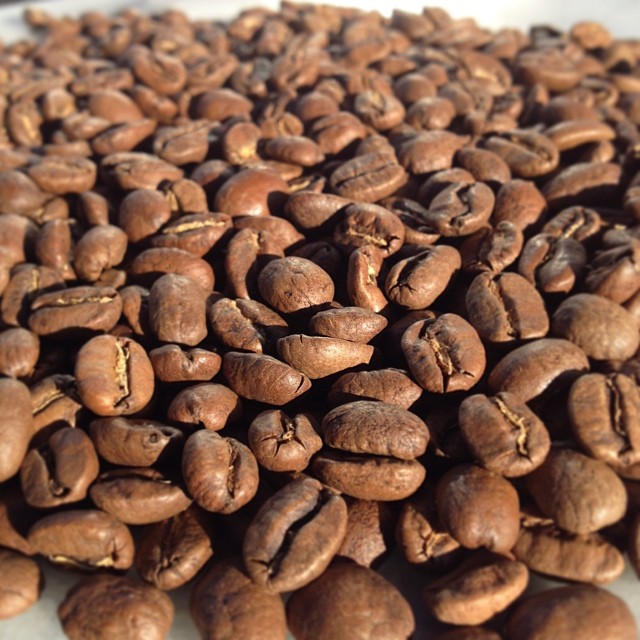
Natural fermentation and Solar Ethiopian Coffee Flavor, characteristics, texture and Manor introduction
Ethiopia has unique natural conditions suitable for growing all imaginable varieties of coffee. As a upland crop, Ethiopian coffee beans are mainly grown in areas between 1100 and 2300 meters above sea level, roughly distributed in southern Ethiopia. Deep soil, well drained soil, weakly acidic soil, laterite and soil are soft and contain

Natural fermented and mellow Ethiopian coffee flavor, characteristics, taste and manor introduction
Ethiopia has unique natural conditions suitable for growing all imaginable varieties of coffee. As a upland crop, Ethiopian coffee beans are mainly grown in areas between 1100 and 2300 meters above sea level, roughly distributed in southern Ethiopia. Deep soil, well drained soil, weakly acidic soil, laterite and soil are soft and contain
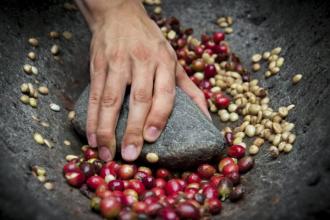
With unique natural conditions, Ethiopian coffee flavor, characteristics, taste and manor introduction
Ethiopia has unique natural conditions suitable for growing all imaginable varieties of coffee. As a upland crop, Ethiopian coffee beans are mainly grown in areas between 1100 and 2300 meters above sea level, roughly distributed in southern Ethiopia. Deep soil, well drained soil, weakly acidic soil, laterite and soil are soft and contain

A brief introduction to the treatment method of grinding degree and baking degree of aromatic high-quality Ethiopian coffee beans
Ethiopia finally woke up and decided to learn from the skills of Western developed countries in mastering brands and creating value for the benefit of hard-working farmers, so in March 2005, Ethiopia applied to the United States Patent and Trademark Administration for the trademark rights of three famous places of origin, namely, Sidamo, Yega Xuefei and Harald. In the future, American operators must be authorized by Ethiopia to sell boutique coffee in these three places.

A brief introduction to the history and culture of the origin and development of sweet Ethiopian boutique coffee beans
Getachew Mengistie, director of Ethiopia's Bureau of intellectual property, bluntly pointed out that farmers sell raw beans for $1.45 a pound, while Starbucks sells for $26 a pound in the United States, 18 times the price difference between the two places. The reason is that Ethiopia does not know how to use intellectual property rights to create value for farmers, as long as the name of Ethiopian high-quality beans, it can be higher than the average in the United States.

Certificate of boutique coffee 4C coffee certification
C certification is a widely accepted management rule in the world, which involves the sustainable development of coffee cultivation, production, processing and other aspects of the supply chain, including social, environmental and economic principles. Coffee practitioners are required to protect biodiversity, protect all kinds of national endangered animals and plants, correctly use and handle pesticides and other chemicals, and protect the natural environment and people.
Boutique coffee bean knowledge 4C coffee certification
4C certification is a widely accepted management rule in the world, which involves the sustainable development of coffee cultivation, production, processing and other aspects of the supply chain, including social, environmental and economic principles. Coffee practitioners are required to protect biodiversity, protect all kinds of national endangered animals and plants, correctly use and handle pesticides and other chemicals, protect the natural environment and
Basic knowledge of boutique coffee 4C Coffee Certification
4C certification is a widely accepted management rule in the world, which involves the sustainable development of coffee cultivation, production, processing and other aspects of the supply chain, including social, environmental and economic principles. Coffee practitioners are required to protect biodiversity, protect all kinds of national endangered animals and plants, correctly use and handle pesticides and other chemicals, protect the natural environment and

Variety characteristics of fermented Natural Solar Ethiopian Coffee introduction to Fine Coffee Bean in Manor
Ethiopia has unique natural conditions suitable for growing all imaginable varieties of coffee. As a upland crop, Ethiopian coffee beans are mainly grown in areas between 1100 and 2300 meters above sea level, roughly distributed in southern Ethiopia. Deep soil, well drained soil, weakly acidic soil, laterite and soil are soft and contain
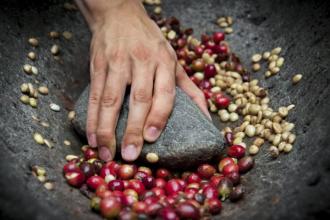
Taste characteristics of Solar fermented Natural Ethiopian Coffee introduction to Fine Coffee Bean in Manor
Ethiopia has unique natural conditions suitable for growing all imaginable varieties of coffee. As a upland crop, Ethiopian coffee beans are mainly grown in areas between 1100 and 2300 meters above sea level, roughly distributed in southern Ethiopia. Deep soil, well drained soil, weakly acidic soil, laterite and soil are soft and contain
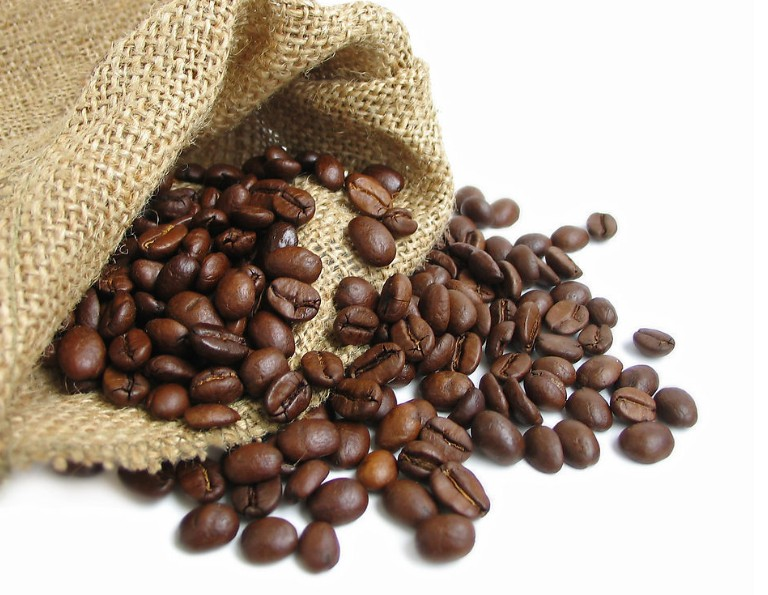
Natural fermentation, mellow and sun-dried Ethiopian coffee flavor, characteristics, taste and manor introduction
Ethiopia has unique natural conditions suitable for growing all imaginable varieties of coffee. As a upland crop, Ethiopian coffee beans are mainly grown in areas between 1100 and 2300 meters above sea level, roughly distributed in southern Ethiopia. Deep soil, well drained soil, weakly acidic soil, laterite and soil are soft and contain
Boutique coffee bean certification body 4C Association coffee certification
4C certification is a widely accepted management rule in the world, which involves the sustainable development of coffee cultivation, production, processing and other aspects of the supply chain, including social, environmental and economic principles. Coffee practitioners are required to protect biodiversity, protect all kinds of national endangered animals and plants, correctly use and handle pesticides and other chemicals, protect the natural environment and

Coffee bean certification body Rainforest Certified Coffee Rainforest Alliance certificatio
Rainforest certification Rainforest Alliance certification Rainforest Alliance certification Frog beans Rainforest Certification logo has an obvious frog, Rainforest Alliance certified coffee, also known as frog beans. Rainforest Alliance RA (Rainforest Alliance) certification refers to a farm that meets the standards set by the Rainforest Alliance, and the Alliance will conduct research on the farm and its surrounding ecosystems.
4C Coffee Certification, the certification body of boutique coffee beans
4C certification is a widely accepted management rule in the world, which involves the sustainable development of coffee cultivation, production, processing and other aspects of the supply chain, including social, environmental and economic principles. Coffee practitioners are required to protect biodiversity, protect all kinds of national endangered animals and plants, correctly use and handle pesticides and other chemicals, protect the natural environment and
Introduction to the certification body of fine coffee beans 4C coffee certification
4C certification is currently widely accepted in the world, involving coffee cultivation, production, processing and other aspects of the supply chain sustainable development management rules, including social, environmental and economic principles. Coffee growers are required to protect biodiversity, protect various nationally endangered plants and animals, properly use and handle pesticides and other chemicals, protect the natural environment and

Who is suitable for Manning's black coffee? Golden Mantenin Coffee beans Flavor and taste Story
Professional coffee knowledge exchange more coffee bean information please follow the coffee workshop (Wechat official account cafe_style) many coffee lovers know that I do not drink manning or other Asian beans because I always feel that I drink some bitter taste of soil and everywhere I go, I can see that Manning's cup test is: bitterness is strong and thick.

Characteristics of natural fermented, mellow and insolated Ethiopian coffee varieties taste manor boutique coffee bean flavor
Ethiopia has unique natural conditions suitable for growing all imaginable varieties of coffee. As a upland crop, Ethiopian coffee beans are mainly grown in areas between 1100 and 2300 meters above sea level, roughly distributed in southern Ethiopia. Deep soil, well drained soil, weakly acidic soil, laterite and soil are soft and contain

Variety characteristics of naturally fermented sun-cured Ethiopian coffee introduction to the flavor of fine coffee beans in the manor
Ethiopia has unique natural conditions suitable for growing all imaginable varieties of coffee. As a upland crop, Ethiopian coffee beans are mainly grown in areas between 1100 and 2300 meters above sea level, roughly distributed in southern Ethiopia. Deep soil, well drained soil, weakly acidic soil, laterite and soil are soft and contain